Central question

How can sub-Saharan Africa power its homes, businesses, and institutions sustainably and affordably?

Our group answers this question across three connected research axes, blending theoretical modeling, experimental measurement, and field deployment in Togo and across the region.

Our approach

01

Modeling and simulation

Numerical models of solar resources, devices, and distribution networks ground every project in physical and statistical rigor.

02

Experimental characterization

On-site measurements of modules, cookers, and grid behavior under real local conditions validate theory and surface unexpected effects.

03

Field deployment

Working with public agencies, NGOs, and industry, results move from the lab into pilots, training, and policy advice.

Research axes

Axis 01

Designing smart grids for African contexts

How do you design an electricity system that serves more people, more reliably, while staying resilient to climate stress? We model and simulate distribution networks, conduct on-site measurements, and design integrated systems that bring together renewable generation, energy efficiency, and improved supply quality. The Togolese grid is our primary case, but the methods generalize across emerging-market power systems.

Distribution networksMicrogridsClimate resiliencePower flow simulation
Axis 02

Optimizing local energy equipment

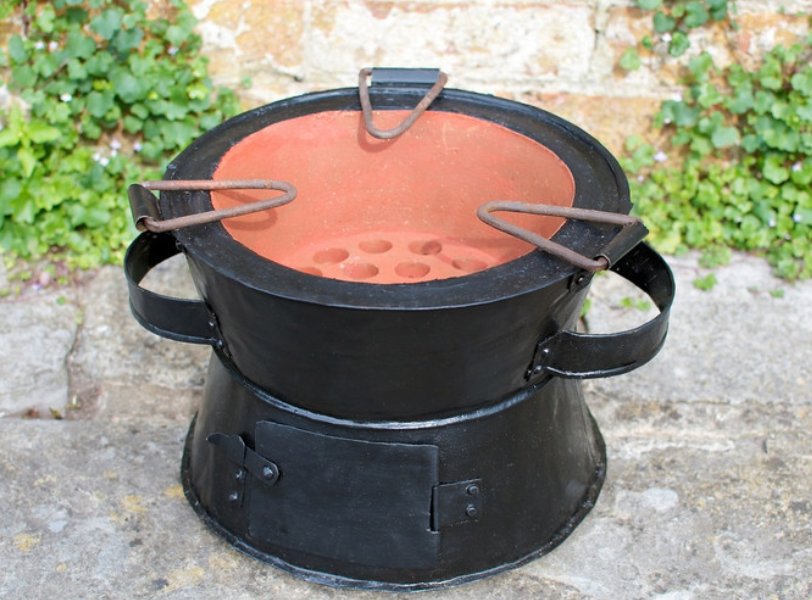
Cooking accounts for a large share of household energy use across West Africa, mostly in the form of charcoal and wood. This axis evaluates cooking technologies under real conditions, identifies the most efficient and lowest-impact options, and informs the design of improved stoves that can scale through local manufacturing. The goal is straightforward: less biomass burned per meal cooked, with measurable health and climate benefits.

Improved cookstovesBiomass efficiencyKitchen Performance TestsHeat and mass transfer
Improved cookstove research: characterization and design.

Axis 03

Photovoltaic materials, components, and systems

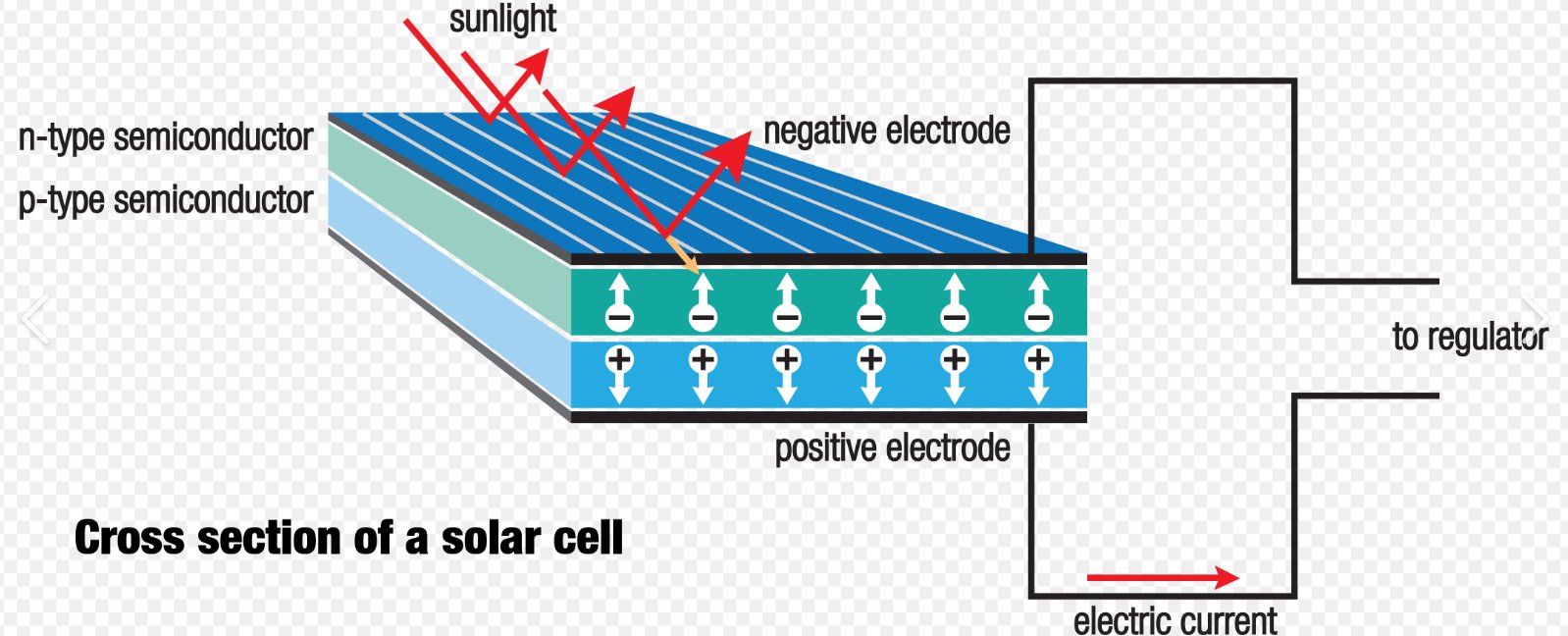
Organic and emerging photovoltaic technologies often lose performance at the interfaces between active materials and electrodes. We investigate transparent conductive oxides and engineered interfaces to enhance charge transfer and durability. The same group also studies how mature silicon technologies behave under Sahelian and tropical conditions, where temperature, dust, and humidity can shift performance well outside lab specs.

Organic photovoltaicsTransparent conductive oxidesThin filmsField performance
Engineering interfaces in organic photovoltaic cells with transparent conductive oxides.

Services to the community

Beyond academic research, our work supports the broader renewable-energy ecosystem in Togo and the region. The group characterizes solar modules, models and simulates module behavior, characterizes and models local energy networks, and tests cooking technologies. We collaborate with public institutions including the Ministry of Mines and Energy, the Directorate General for Energy, the Togolese Agency for Rural Electrification and Renewable Energies (AT2ER), and the Ministry of Environment and Forest Resources. We also support civil-society organizations, NGOs, and companies, both in Togo and internationally, on technician training, dissemination of renewable-energy techniques, equipment design and testing, and applied R&D in renewable-energy technologies.